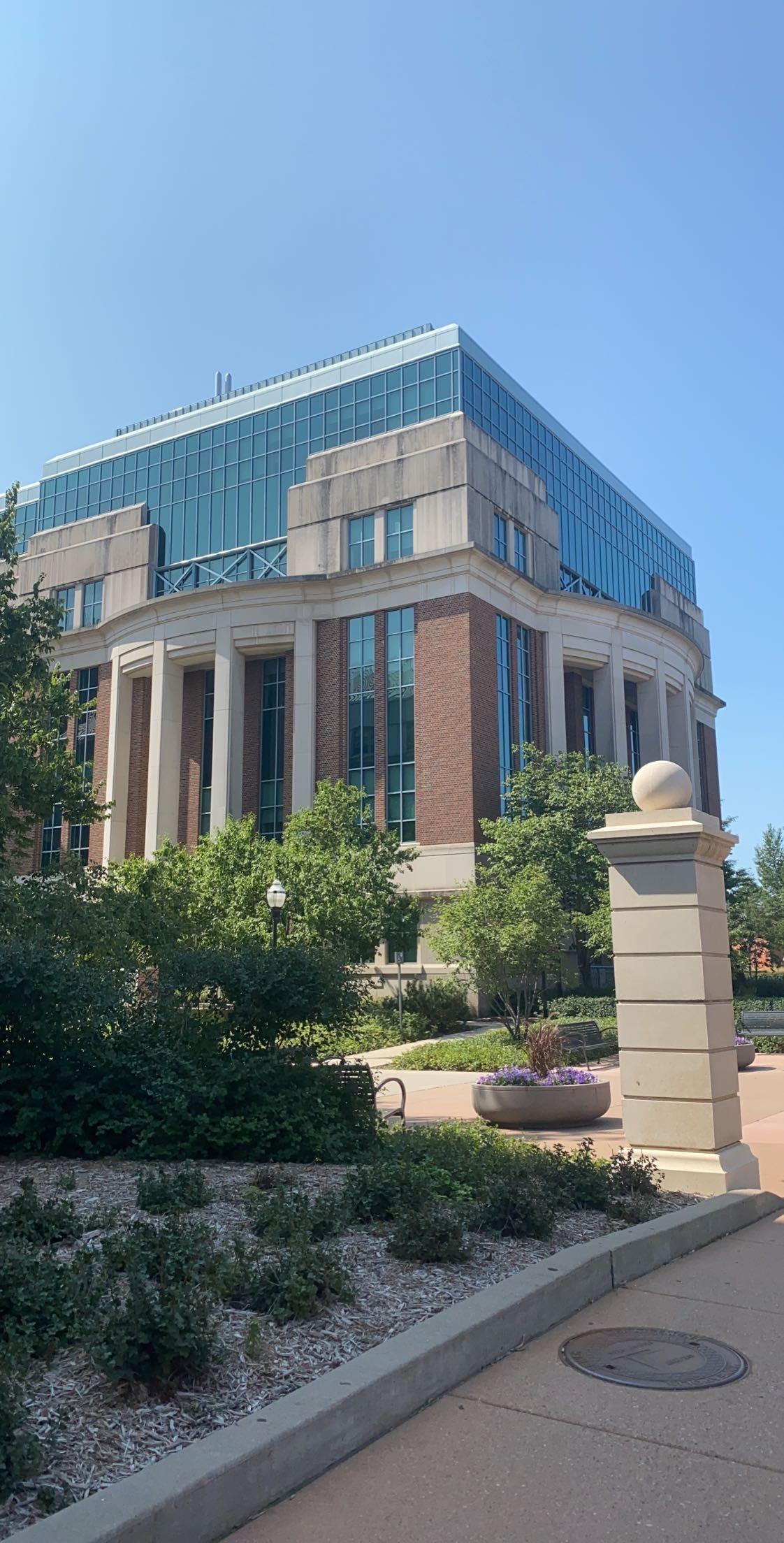
The Niedernhofer lab is part of the Medical Discovery Team on Aging and the Masonic Institute on the Biology of Aging and Metabolism at the University of Minnesota. The Institute was founded in 2017 and focuses on developing therapeutics for the aging population.
Research in the Niedernhofer lab is focused on studying the biology that drives aging. Being old is the greatest risk factor for most chronic diseases. We seek to identify aspects of the biology of aging that might be targeted therapeutically to stave-off age-related diseases and extend healthy aging. The pillars of aging that are considered druggable include genome instability, inflammation, adaptations to stress, autophagy and proteostasis, stem cell function, nutrient sensing, epigenetics, mitochondrial function, and senescent cells.
Dr. Niedernhofer’s expertise is in DNA damage and repair (genome stability), and the role that DNA damage produced endogenously as a consequence of normal metabolism has in driving cellular senescence and aging. We use genetic approaches to deplete DNA repair in mice enabling visualization of the health impact of DNA damage. Systemic depletion of a critical DNA repair enzyme ERCC1-XPF results in mice that age six times faster than normal animals and led to the discovery of a human progeroid syndrome. Tissue-specific deletion of Ercc1 leads to murine models of age-related diseases including diabetes, heart disease, chronic kidney disease, age-related macular degeneration, and neurodegeneration. These mice have proven valuable for testing novel therapeutics rapidly.
Currently funded projects in the lab include:
I. exploring the role of immune cells in driving aging and poor responses to infection;
II. mapping and characterizing senescent cells in a variety of tissues across the lifespan of humans and mice;
III. measuring nucleotide excision DNA repair capacity across populations including patients with rare genome instability disorders, long-lived individuals, those at high risk of skin cancer, and patients with mild cognitive impairment;
IV. identifying pathways and genes in centenarians that confer health longevity and develop drugs to target these pathways;
V. study the role of senescent cells in age-related diseases including Parkinson’s disease, cancer and diabetes.